DOMS can bring the kind of pain that has us walking downstairs backwards for a couple of days after a race, or a long and particularly strenuous event.
I have looked at the research and tried to work out a protocol of my own to prevent it. Not only is it painful, but it also delays recovery.
Delayed onset muscle soreness (DOMS) is the muscle pain and stiffness that typically begins 12–24 hours after exercise, peaking around 24–72 hours and gradually resolving over several days.
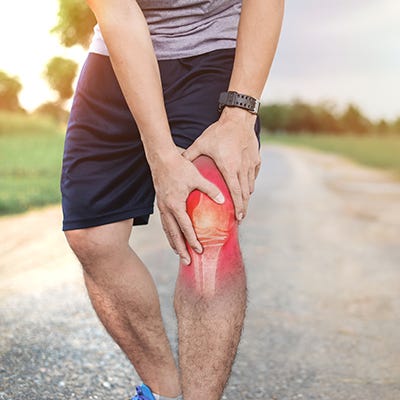
The current scientific consensus is that DOMS is primarily caused by microscopic damage to muscle fibres and surrounding connective tissue, especially during unfamiliar or high-intensity exercise.
To summarise the probable causes of the pain:
Eccentric muscle contractions (when a muscle lengthens while producing force), such as:
Running downhill
Lowering a weight during strength training
Plyometric exercises.
Prolonged hard or high impact exercise over several hours.
The resulting damage triggers an inflammatory response, making pain receptors more sensitive and muscles sore.
Changes in muscle function, swelling, and temporary reductions in strength also occur, making you wish you lived in a bungalow because walking downstairs is so painful.
A common myth is that DOMS is caused by lactic acid build-up. Lactic acid is typically cleared from muscles within about an hour after exercise and is not responsible for soreness days later.
Through trial and error, I have found out what works for me. I used to find it difficult to get out of the car coming home from a race. I needed a solution.
Here is what has worked.
Preparing ahead of time:
Avoiding race day DOMS, starts many weeks or even months ahead of race day. The training we do strengthens muscle fibres and connective tissues and reduces the impact on our muscles when we put them under stress. If running down hill quickly causes DOMS, we should practice more of it.
As well as resulting from unfamiliar or repetitive eccentric muscle contractions during high intensity exercise, DOMS happens when we build training volume too quickly or when we ride or run a much longer event that we have prepared for.
It can be offset with gradual changes, a slower build in work rate for example.
Ensuring glycogen stores are fully topped up before race day:
I have found that progressively increasing carbs in the three to four days before a race has significant impact. This does not mean stuffing my face with pasta for a week. A gradual increase in quality, slow-release carbs over a few days, not impacting on race weight is ideal for me.
Going into a long endurance effort with depleted glycogen stores is a sure-fire way to experience DOMS. Being fully hydrated ahead of time is also vital.
Eat and Drink during long events:
An Ironman race has been described as an eating competition with a bit of swimming, cycling and running.
In recent years there has been an ‘arms-race’ around the amounts of carbs we can sensibly consume in-race. Improved understanding of in-race fuelling has certainly resulted in improved performance and not taking on enough calories and drinking enough will certainly lead to DOMS.
Eat and drink as soon as possible after strenuous effort:
This means eating in the post-exercise glycaemic window, also called the “anabolic window” for carbohydrate intake. The best opportunity is generally during the first 30–60 minutes after exercise, but the window doesn’t close abruptly.
For most of us, glycogen replenishment 0 to 2 hours after exercise, when muscles are especially receptive to glucose uptake and glycogen storage is best.
This is the period when high-glycaemic carbohydrates can replenish glycogen most rapidly. After 4 to 6 hours, elevated glycogen synthesis continues, although the rate gradually declines.
Chocolate milk, combining carbohydrate and protein in the proportions the body needs is ideal, but I have found DOMS can be significantly reduced by eating a proper carbohydrate heavy meal as soon as possible.
Protein, between 20 and 40 grams of quality protein, depending on body size I also vital to start the process of repair.
Get some Antioxidants:
I have written before about the benefits of Tart Cherry Juice, the go-to drink immediately post-race of pro-cyclists. I find it invaluable to reduce inflammation and the soreness in muscles and joints.
Active Recovery
I find the worse thing I can do is to sit still, even though often all I want to do is rest. Walking or spinning a low gear on my turbo is vital to recover quickly as is some light mobility work.
And some things that work less well:
There is a lot of research on actions that are promoted as preventing, or reducing the impact of DOMS:
Massage and foam rollering may modestly reduce soreness and improve comfort, though this does not eliminate muscle damage.
Compression garments show small benefits for recovery and soreness reduction, but the research is not conclusive.
Against a great deal of conventional wisdom, static stretching before or after exercise shows little evidence for preventing DOMS. Stretching may improve flexibility or feel good, but it should not be relied upon as a primary prevention strategy.
Finally, my least favourite post exercise ‘cure’, cold water immersion can reduce the perception of DOMS, especially during the first 24–72 hours after strenuous exercise. But the research is not conclusive.
Research generally finds that compared with passive recovery; cold water produces only a small-to-moderate reduction in soreness over the following 1–3 days but can sometimes improve feelings of recovery and readiness to train again. It doesn’t necessarily speed actual muscle repair. Much of the benefit appears to come from reduced pain, inflammation, and swelling rather than dramatically faster tissue healing. It’s more useful when recovery is the priority, say in the middle of a high intensity training block.
In summary, DOMS is mainly caused by exercise-induced microscopic muscle damage and the resulting inflammatory response, particularly after eccentric or unfamiliar exercise. It is best to try and avoid it as a priority as there seems little that can be done once we have it, to make it go away more quickly. Patience is often all we have
The best prevention is gradual training progression, supported by adequate warm-up, nutrition, hydration, recovery, and sleep. Complete prevention is unrealistic, but the severity and duration can often be substantially reduced.
Best wishes
Mike
*
My new book - The Longer Road - The Rise of Long Distance Cycling is now available to buy in both digital and paperback formats. (4.7/5 Stars on Amazon). Here is a link:
In addition it is now possible to buy the e-book version at several other places including Apple Books, Kobo, Barnes and Noble, Fable and Bookshop.org. More coming soon.
Here is a link to the book at all the retailers who are currently stocking: