
Exercise and Inflammation
When it Helps and When it Harms

I have been writing about how riding our bikes, improves current health and wellbeing and contributes positively to our longevity for 2 years now. Time and again my research points to inflammation as an effect of exercise and as a cause of many of our ills.
One of the key mechanisms that helps us as active cyclists, to live well for longer is the impact of exercise on inflammation.
Many people are surprised to learn that physical activity can also increase inflammation. Chronic over- training causes chronic inflammation.
The key distinction is that not all inflammation is harmful. In fact, the body’s inflammatory response to exercise is often an essential part of adaptation, recovery, and improved fitness.
Moderate exercise is generally associated with lower levels of chronic inflammation over time.
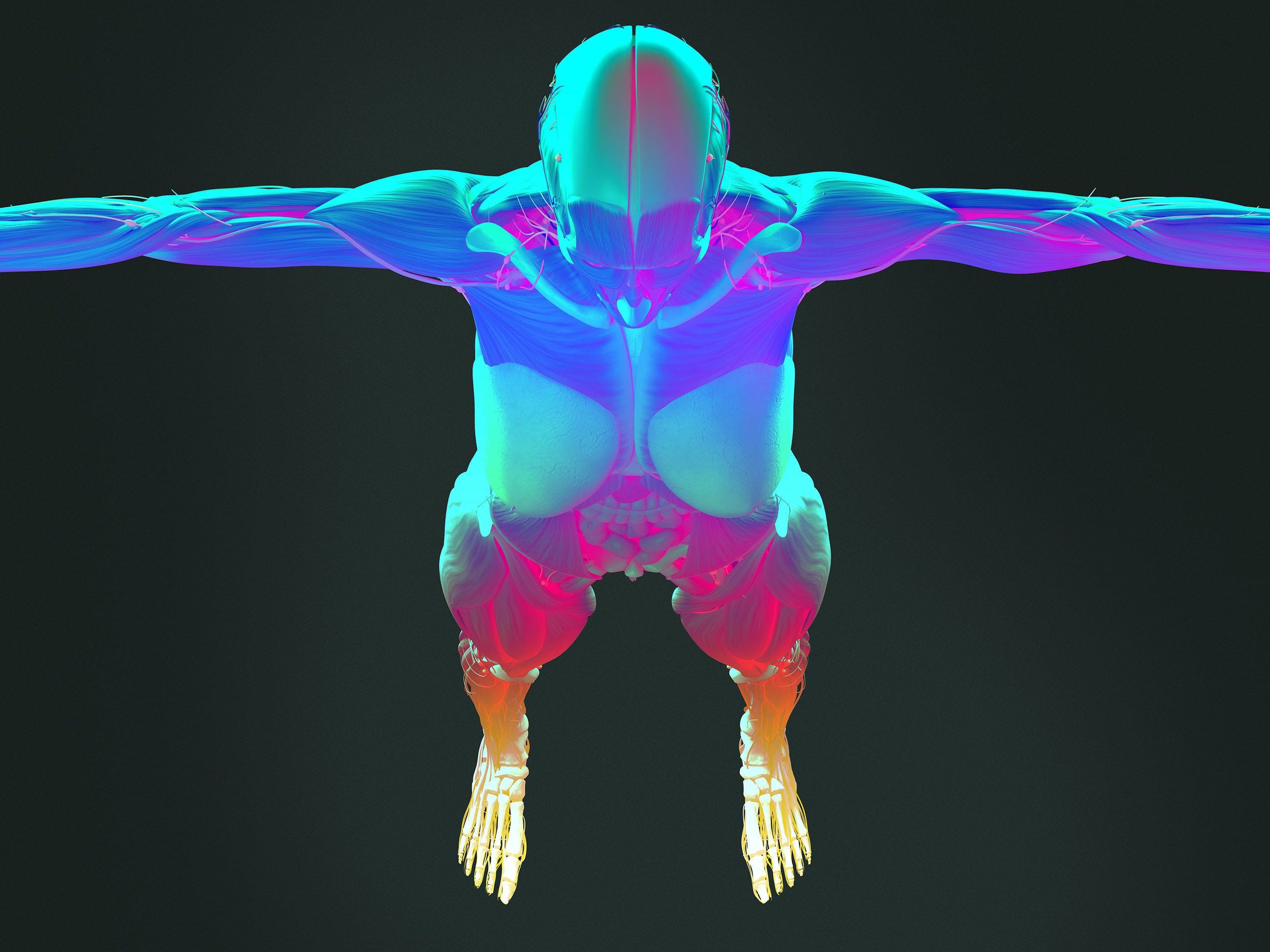
Cycling and moderate resistance training -like lifting weights or body weight exercise- stimulates the cardiovascular and muscular systems without placing excessive stress on the body. Although even moderate exercise can temporarily increase inflammatory signals immediately after a workout.
This response is usually mild and short-lived. The body uses this process to repair tissues, strengthen muscles, and improve metabolic function, all of which contribute to the training adaptations we are looking for.
Over the long term, regular moderate exercise is linked to reductions in inflammatory markers such as C-reactive protein (CRP) and inflammatory cytokines. It also improves insulin sensitivity, circulation, immune regulation, and body composition.
For this reason, exercise is commonly recommended as part of prevention and management strategies for chronic conditions including Type 2 Diabetes, Cardiovascular Disease, and Obesity, all of which are associated with persistent low-grade inflammation.
Intense exercise produces a different response.
High-intensity training sessions, marathon running, my favourite ultra-endurance, long distance, multi-day bike rides for example, and even heavy training volumes over an extended period of time, create a much larger inflammatory reaction in the short term.
During strenuous exercise, muscle fibres experience microscopic damage, stress hormones like Cortisol increase, and immune signalling becomes more active. This process can lead to soreness and fatigue, but this too is also a normal part of adaptation as the body repairs damaged tissue, builds stronger muscles, and improves endurance capacity.
The key is the balance between moderate and intense and making sure you allow enough time to recover, particularly after the latter.
In healthy individuals with adequate recovery, this acute inflammation is usually beneficial rather than harmful.
Problems arise when intense exercise is repeated too frequently without sufficient recovery.
Poor sleep, inadequate nutrition, psychological stress, illness, or excessive training loads can prevent the body from fully recovering between sessions. In these circumstances, inflammation may remain elevated for prolonged periods and begin to resemble chronic low-grade inflammation rather than a temporary repair response.
This pattern is often seen in overtraining syndrome, where athletes experience persistent fatigue, declining performance, increased susceptibility to illness, and higher injury risk.
Research suggests that excessive training stress without adequate recovery can disrupt immune balance and maintain elevated inflammatory activity over time.
This chronic inflammation is associated with Type 2 Diabetes because inflammatory chemicals interfere with insulin function, making it harder for the body to control blood sugar levels.
Inflammation also affects the brain. Researchers believe chronic neuroinflammation contributes to memory decline and diseases such as Alzheimer’s disease
The important point is that exercise itself is not inherently inflammatory in a harmful sense. Moderate exercise is strongly anti-inflammatory overall, while intense exercise can still be beneficial when balanced with proper recovery.
Chronic inflammation is more likely to develop when the cumulative stress of training exceeds the body’s capacity to repair and adapt.
In practical terms, the healthiest approach is usually a balanced one: regular moderate activity combined with appropriately managed periods of higher-intensity exercise, adequate rest, good nutrition, and sufficient sleep.
The difficulty is that we can not see inflammation. We may be more than aware of its effects however, and listening to the feedback we get from our bodies when and after we ride, is key to getting the balance right.
Have a great weekend
Mike
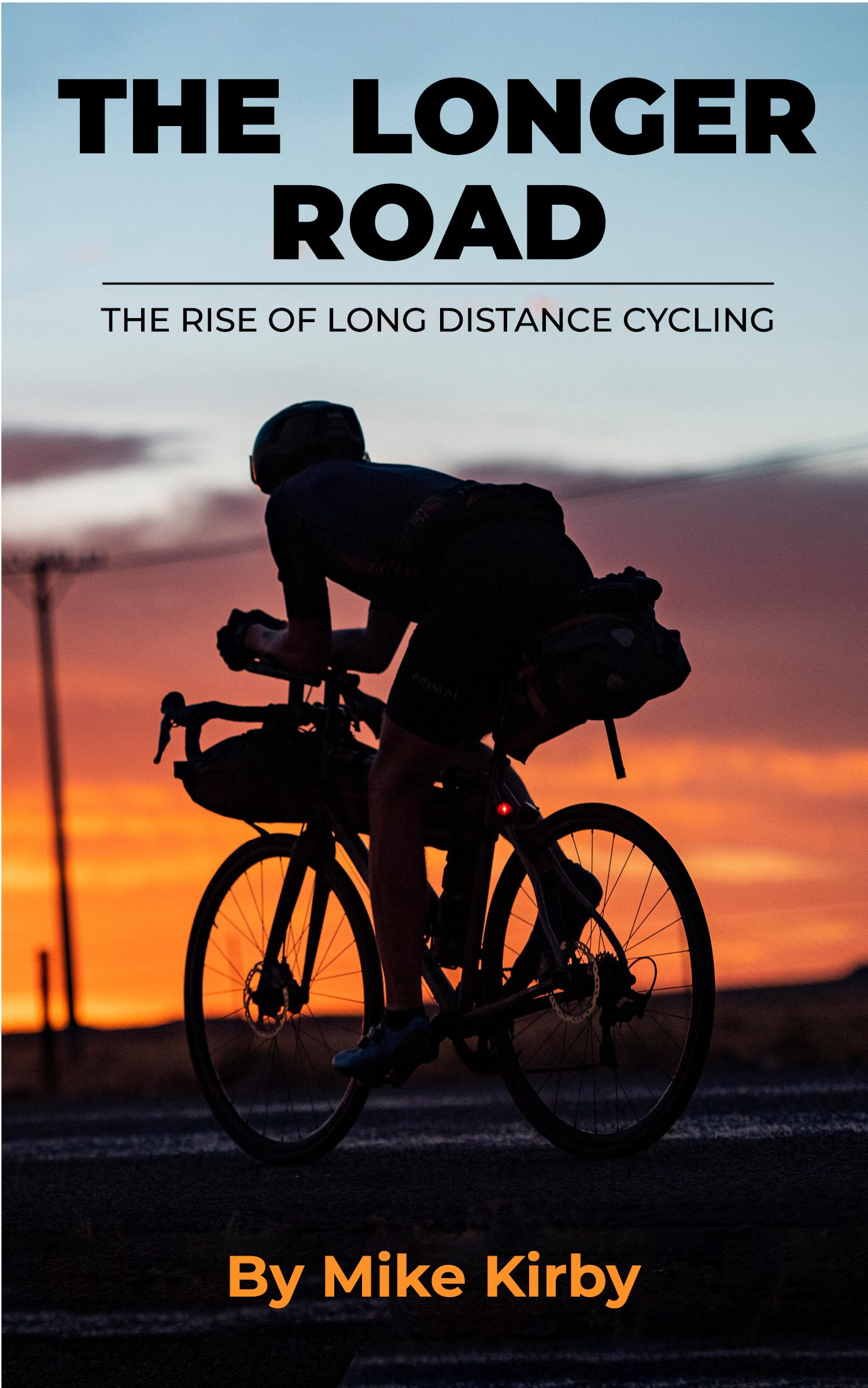
While I have you, my new book is coming soon and this weekend the Kindle edition is free, but only for a limited amount of time. Here is a link:
.
Thanks for this. I have been riding 20-50 miles, then went on a cruise, and returned to ride 62 miles, then developed a rash under my arms. Did I overdo it? The doctor says not to go outdoors until the rash heals, and I'm chomping at the bit to ride. I live in a hot and humid climate in south Mississippi. I really think I got the rash from touching something, not from the heat.